Fintech product + AI safety2026
Aperture Financial Intelligence
Portfolio-aware research, risk, and goal intelligence
View case study
A hybrid workplace concept for desk booking, room availability, and resource management inside Microsoft Teams.
Date
2022
Category
Enterprise product
Key skills
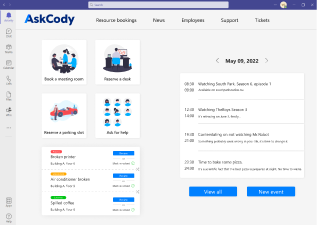
AskCody builds digital tools for meeting and workplace management. As office culture shifted toward hybrid work, the product needed to support a broader challenge: helping teams coordinate people, spaces, and shared resources.
The shift from static offices to hybrid work changed how companies use desks, rooms, and shared spaces. Existing resource-management tools were not designed for that flexibility.
The objective was to explore a software concept that helps companies use office resources efficiently while giving employees more flexibility.
We used a design-thinking process to keep the concept grounded in user needs while exploring a new workplace model.
We prepared an interview guide and selected participants with experience in corporate office environments.
The interviews highlighted a need to use space more efficiently, automate everyday coordination tasks, and support hybrid work without creating more friction.
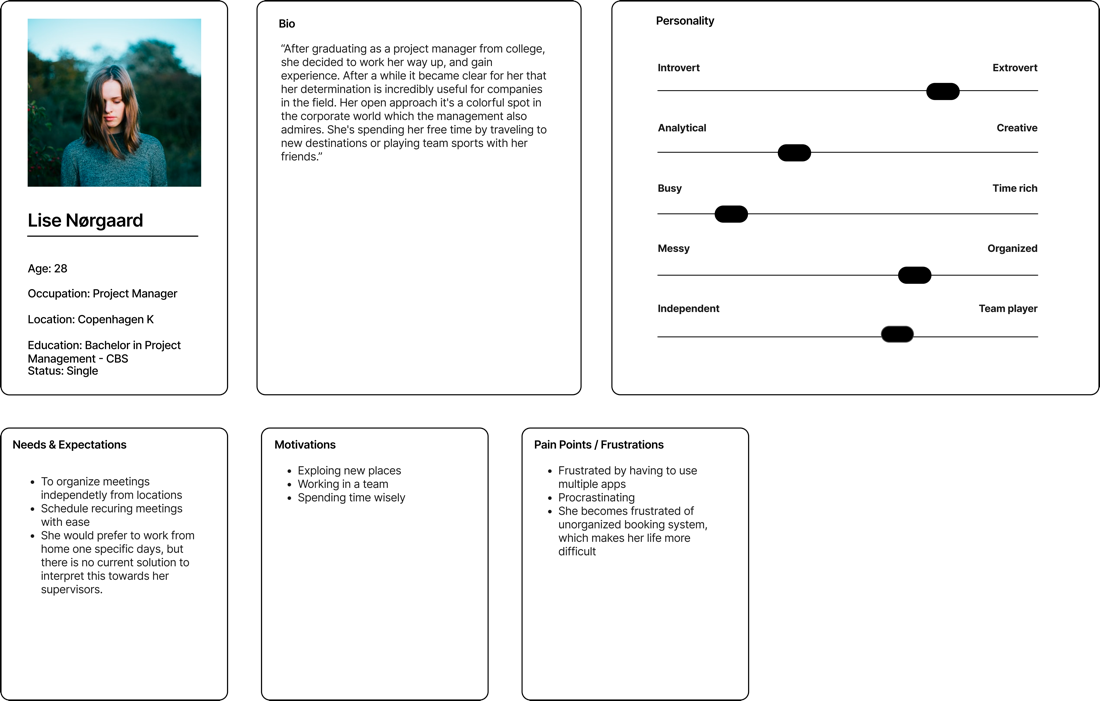
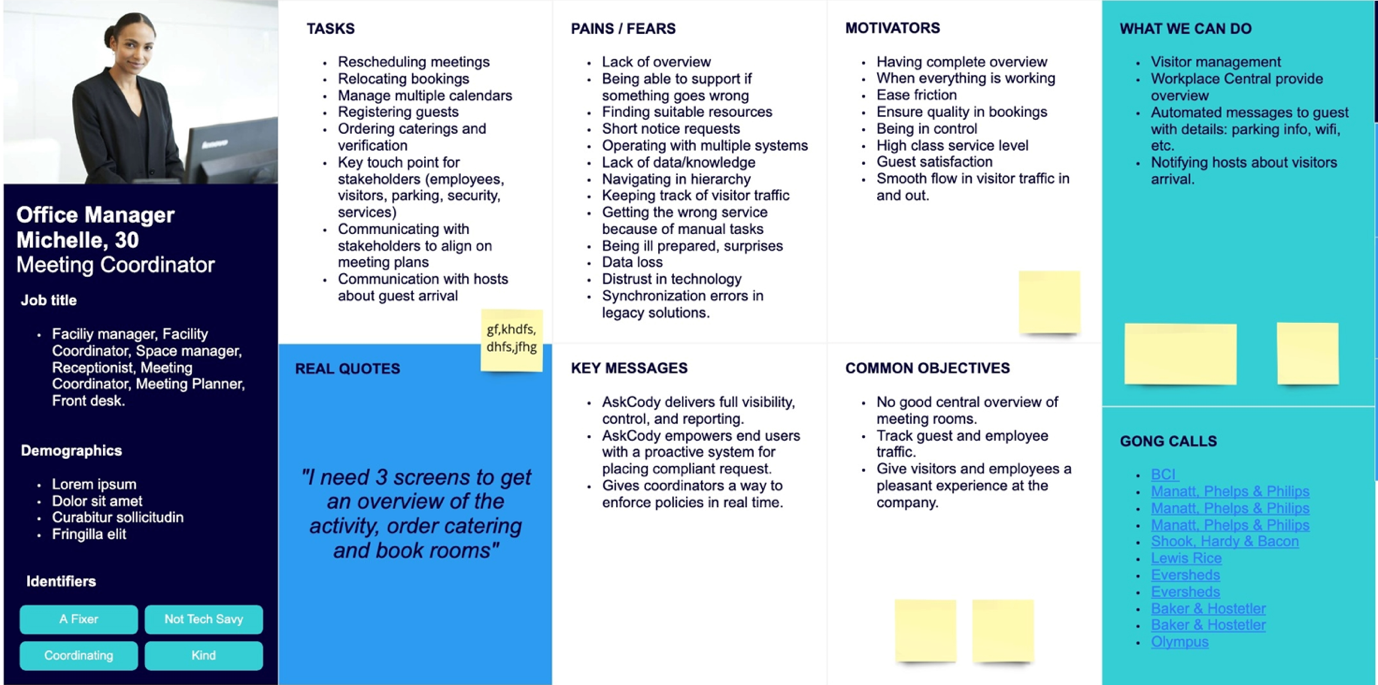
Role-based personas helped us represent the needs, motivations, and pain points of the main user groups.
We synthesized the research into a more focused definition of the problem.
Actionable problem statements helped clarify the barriers people faced in a digital-first workplace.
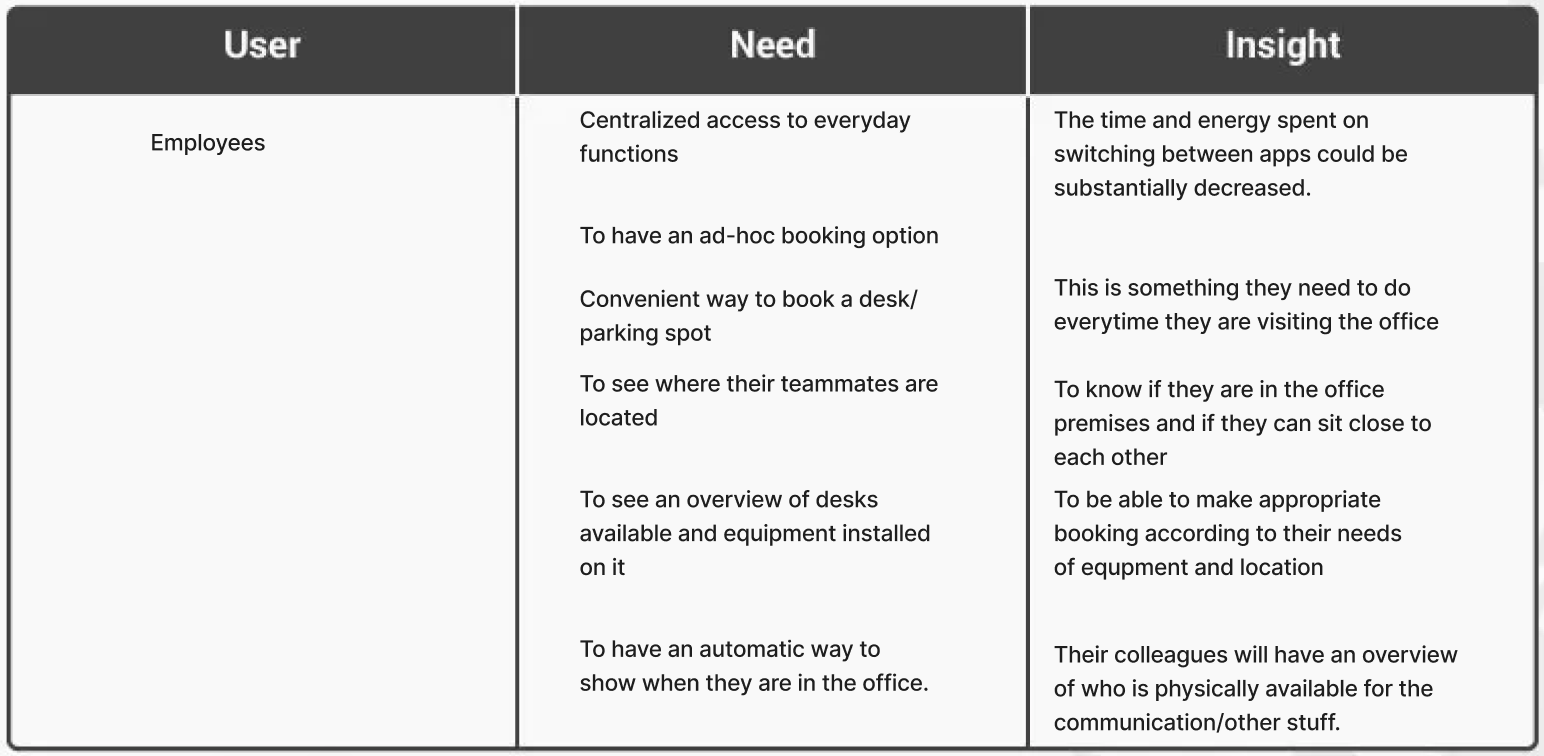
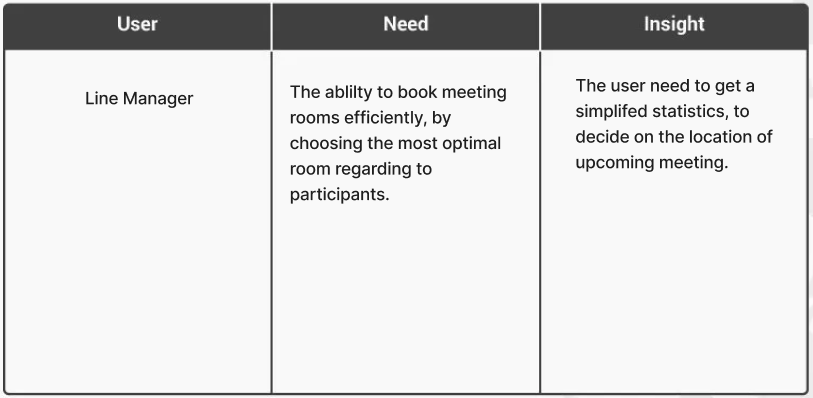
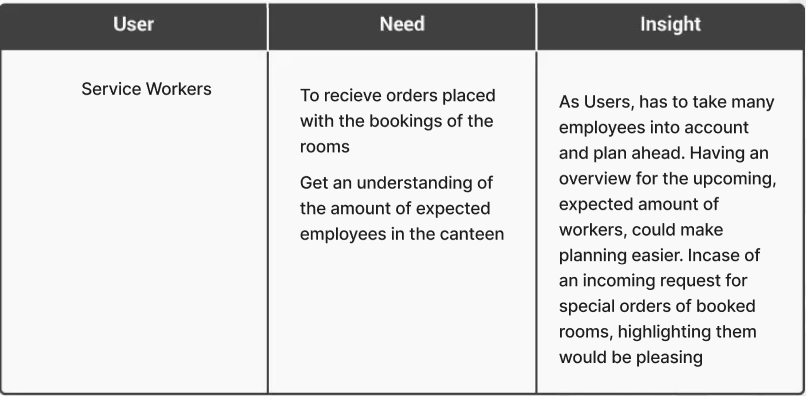
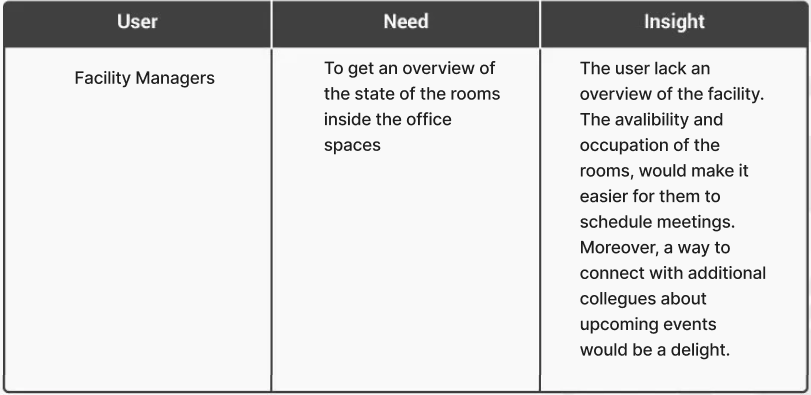
With the research in place, we explored the product structure and the features needed by different user groups.
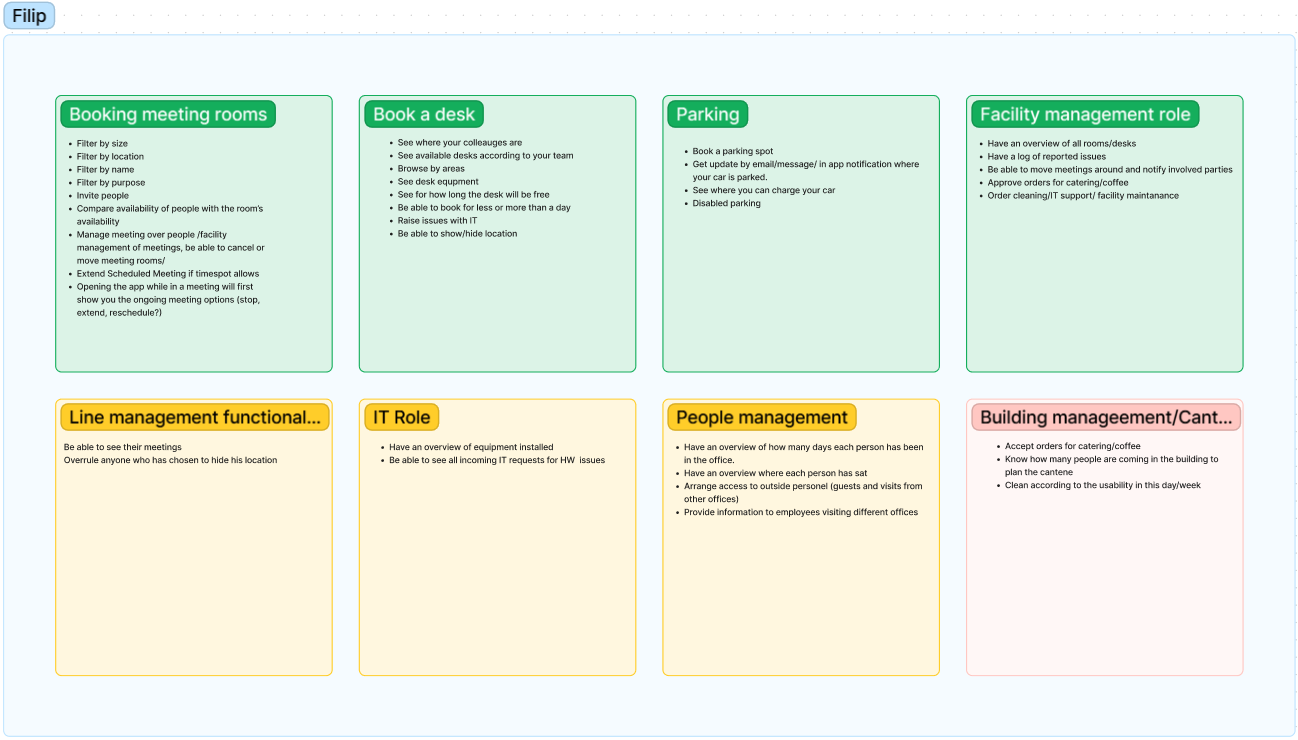
Timed ideation exercises helped us generate and compare possible features quickly.
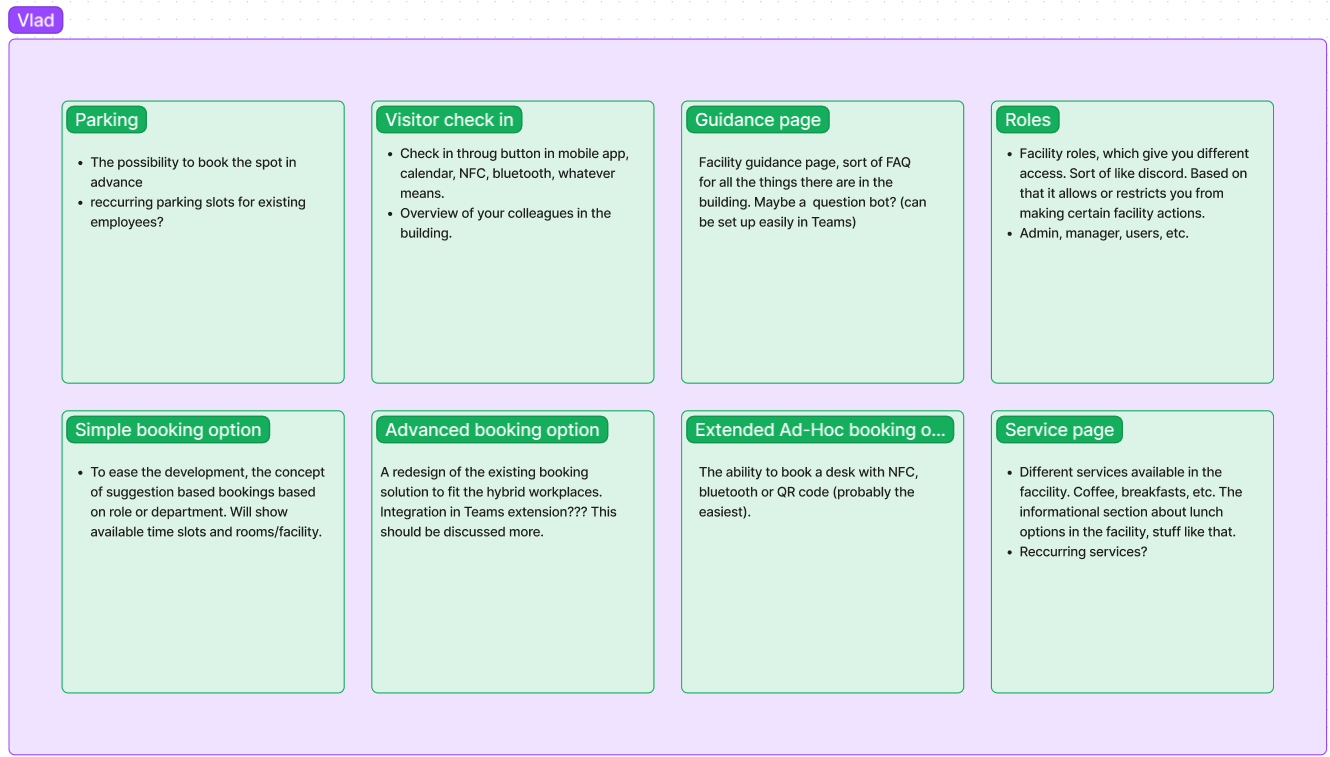
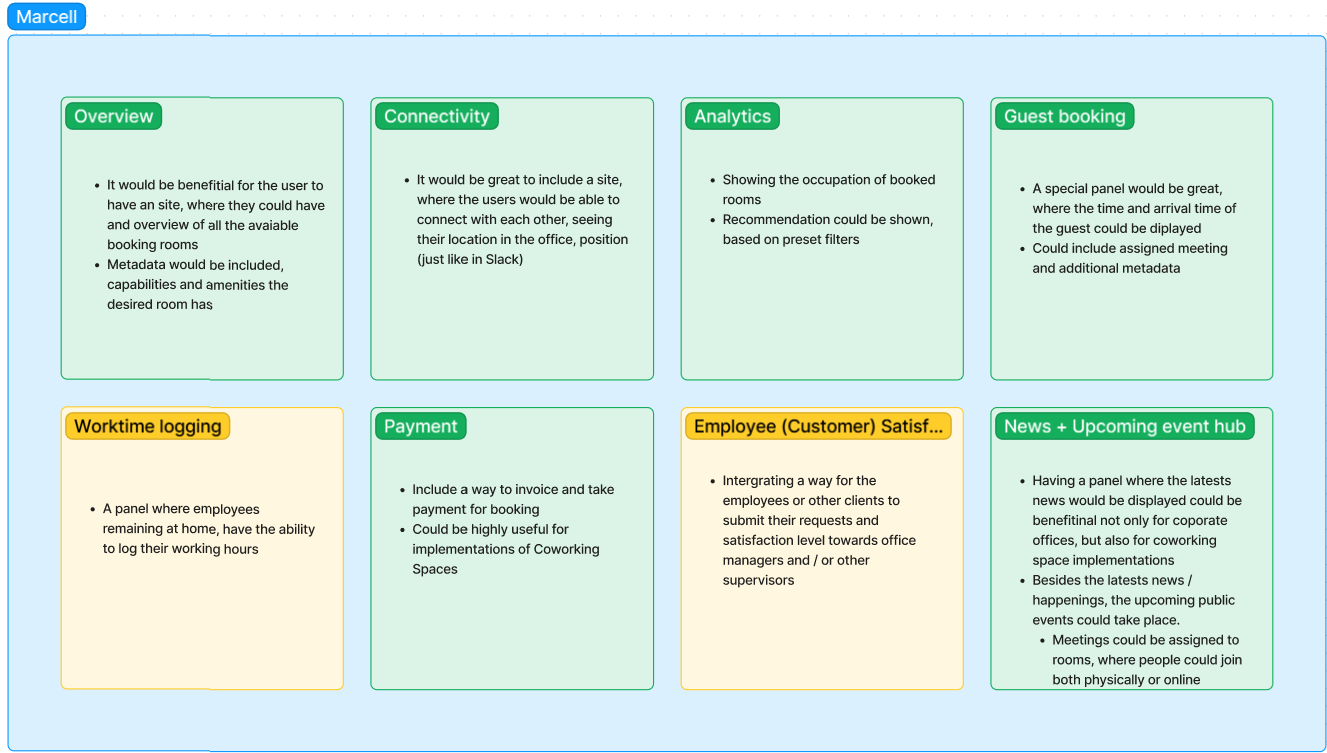
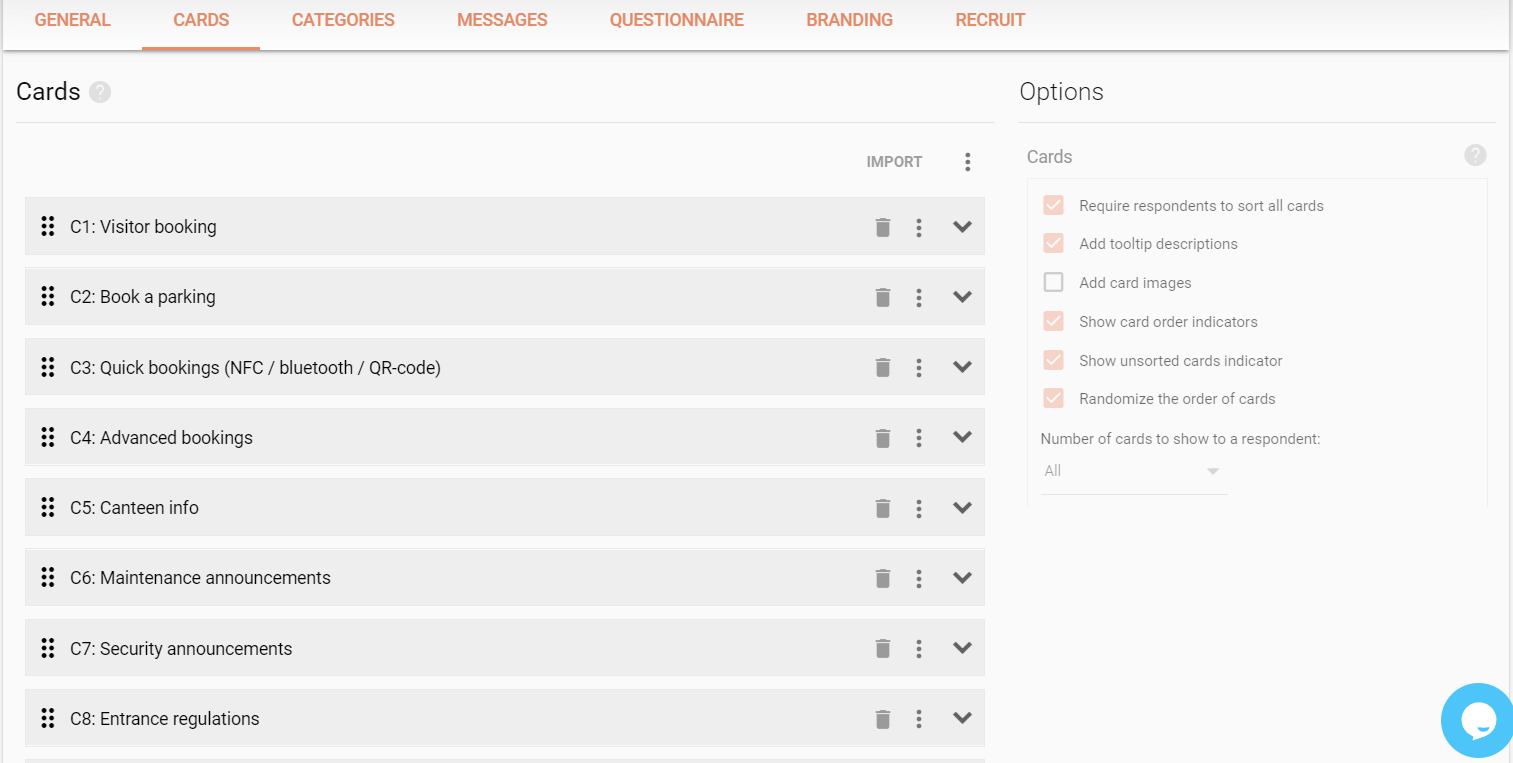
We then ran a card-sorting study using features identified during brainstorming.
A hybrid card sort suited a product centered on functionality rather than content alone.
The results revealed additional categories and improved the structure.
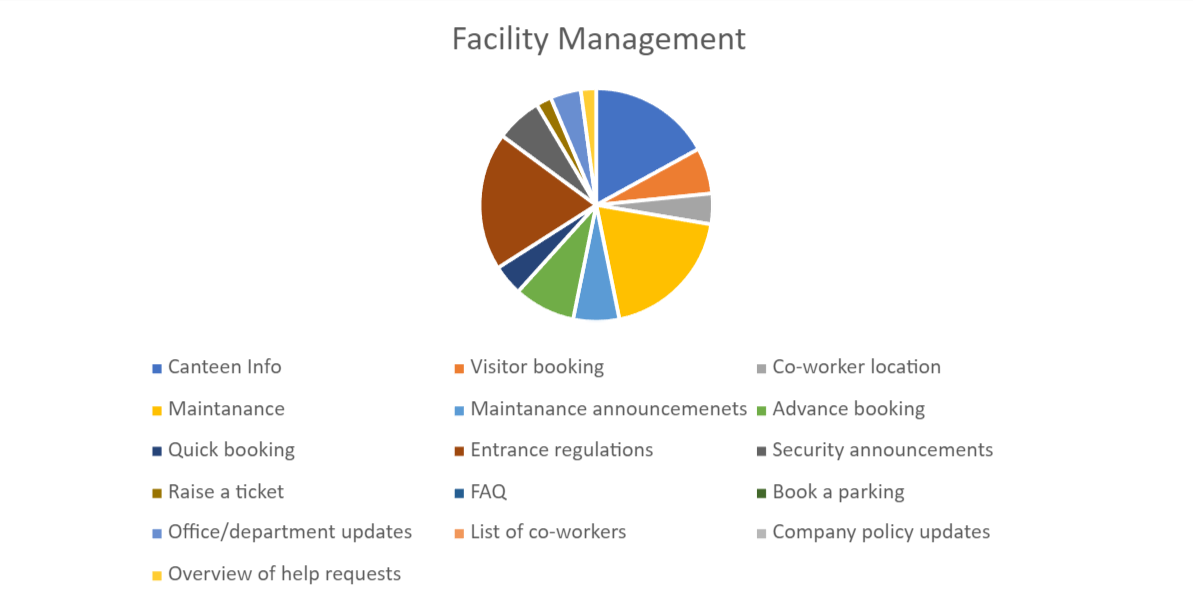
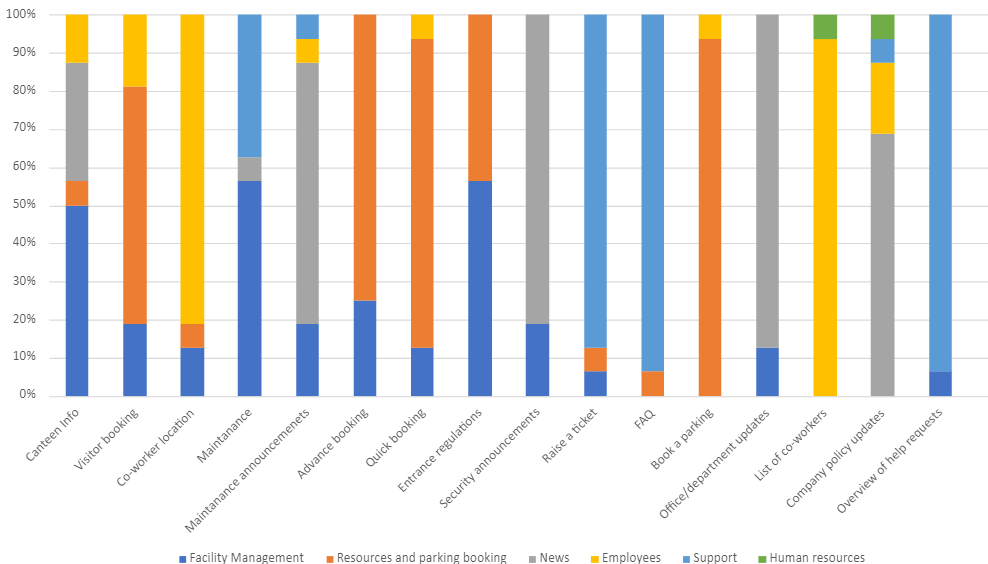
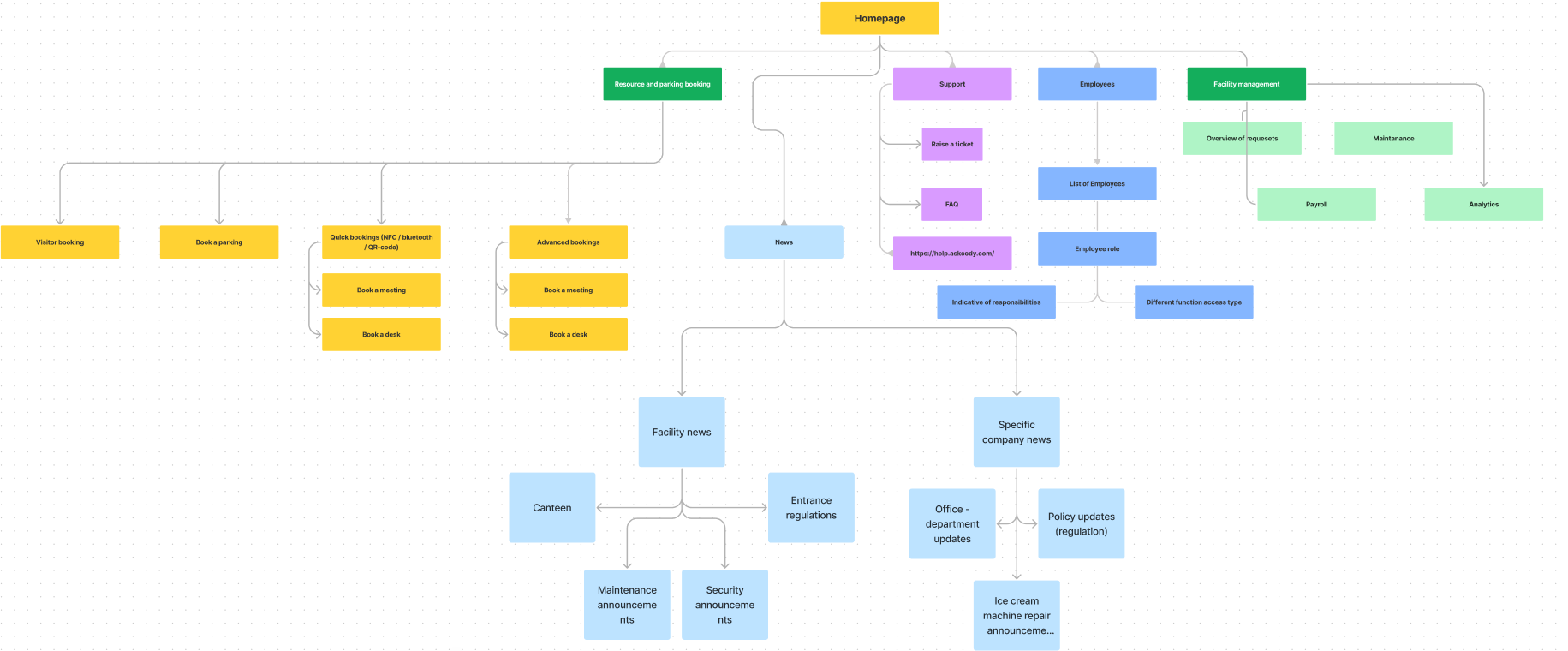
A sitemap made the product structure visible and established the relationships between features, content, and user flows.
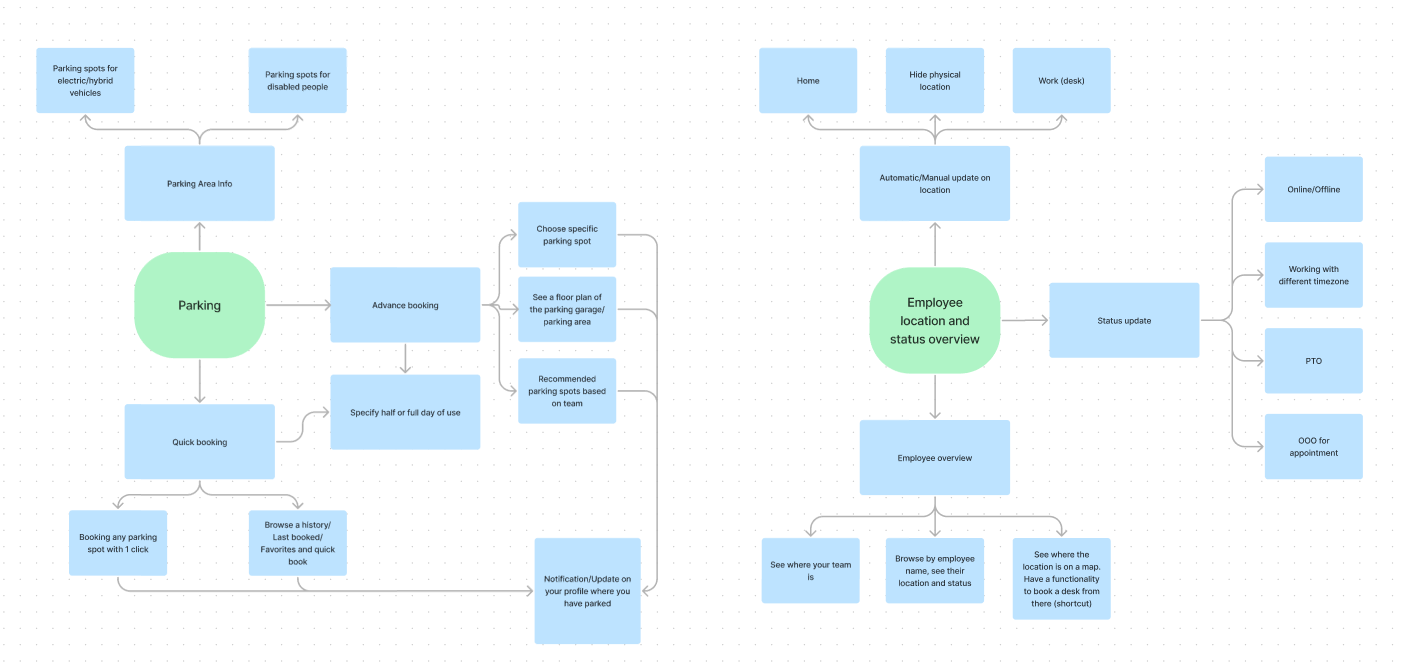
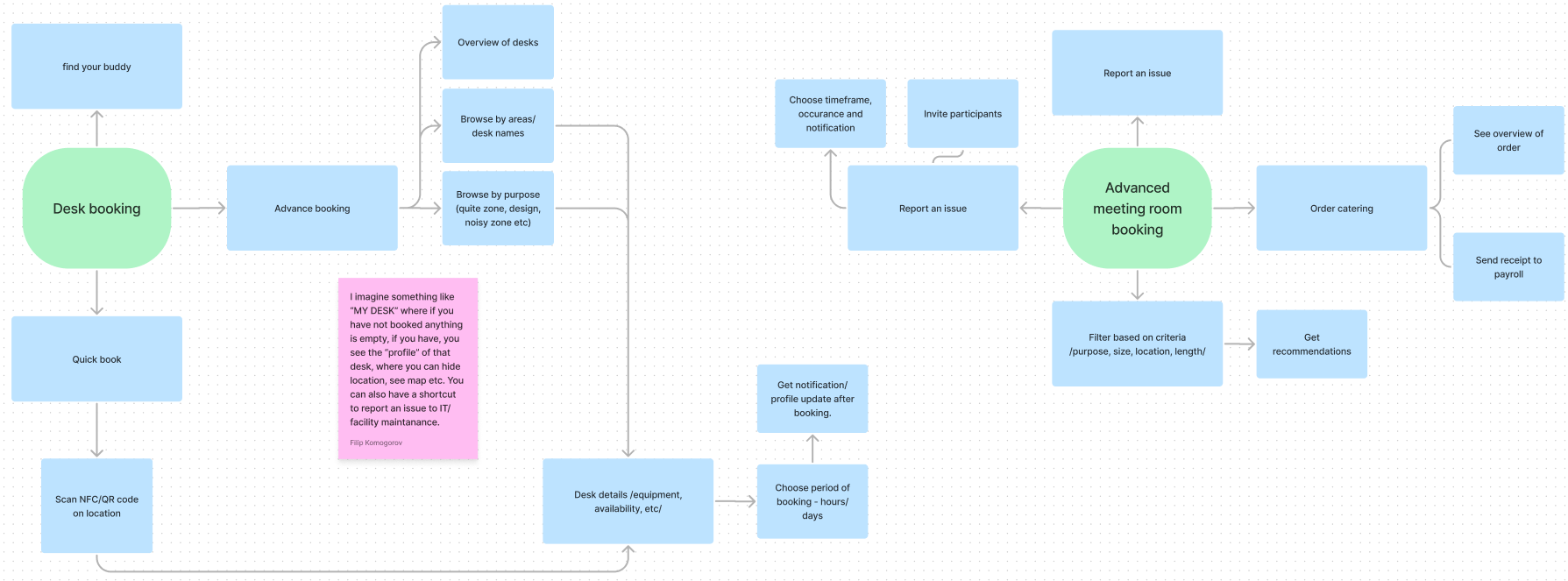
Before finalizing the information architecture, we mapped the strongest categories, their functions, and their dependencies.
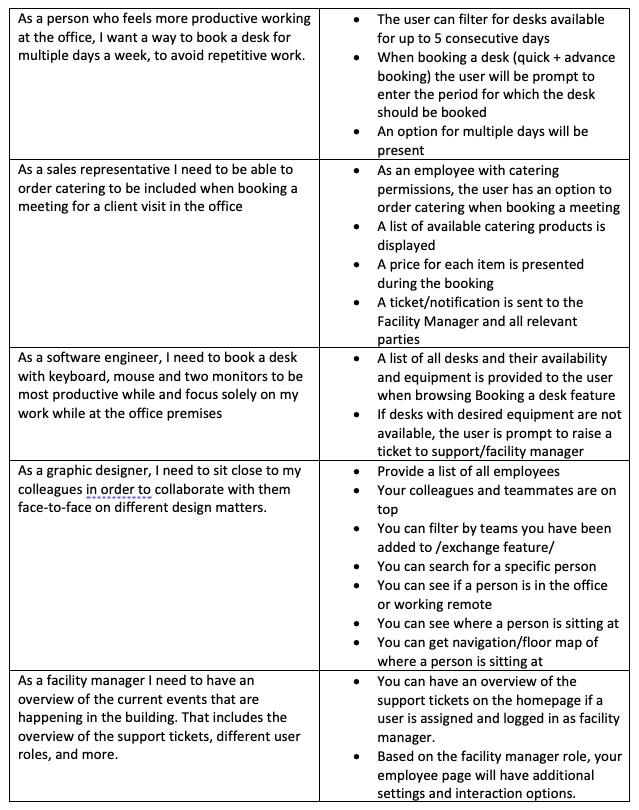
User stories helped us check whether the concept addressed the main customer goals and product requirements.
We considered both the project goals and the technical constraints.
The final user-story list framed the software features from the users' perspective.
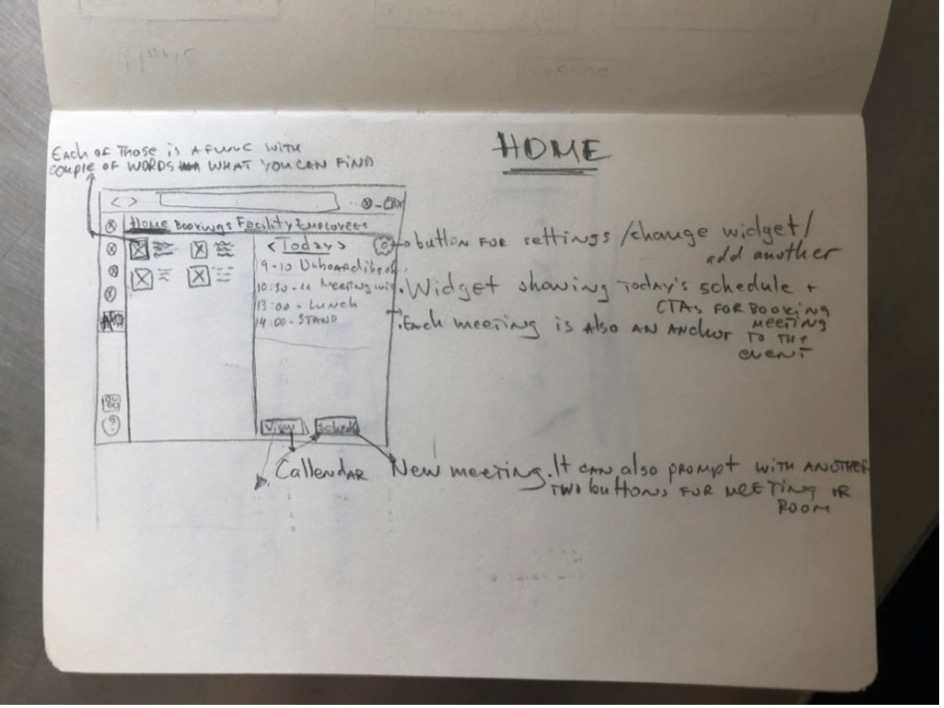
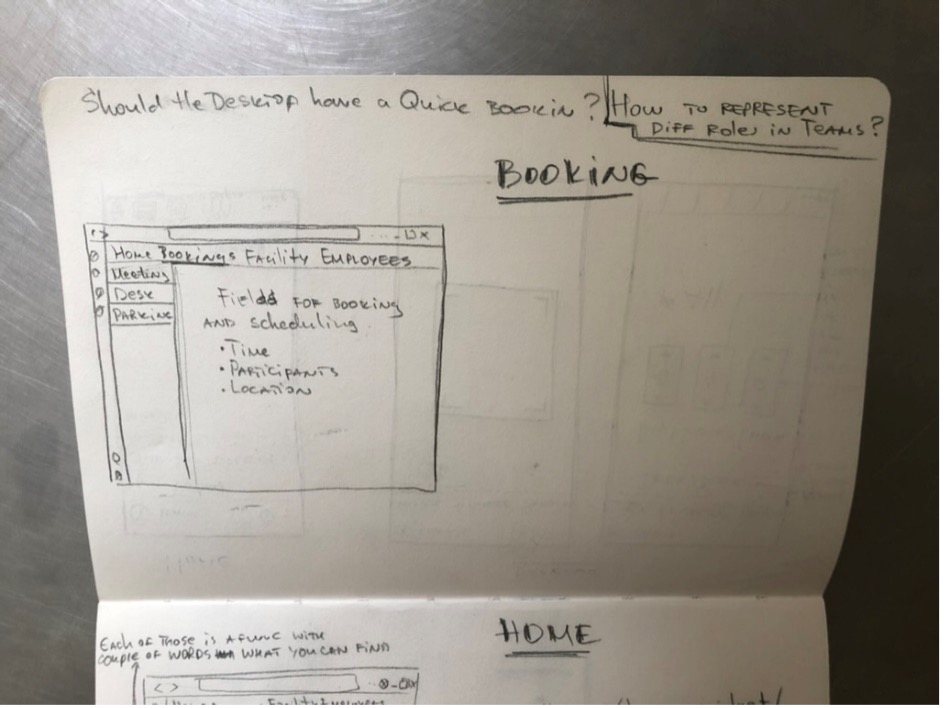
Initial sketches captured the direction, clarified the page structure, and made the information architecture easier to evaluate.
Low-fidelity wireframes introduced more detail and a clearer information architecture.
Based on the card sort, we moved the most important destinations into the header and organized the concept into five main pages.

The design used Fluent UI while retaining AskCody's visual identity.
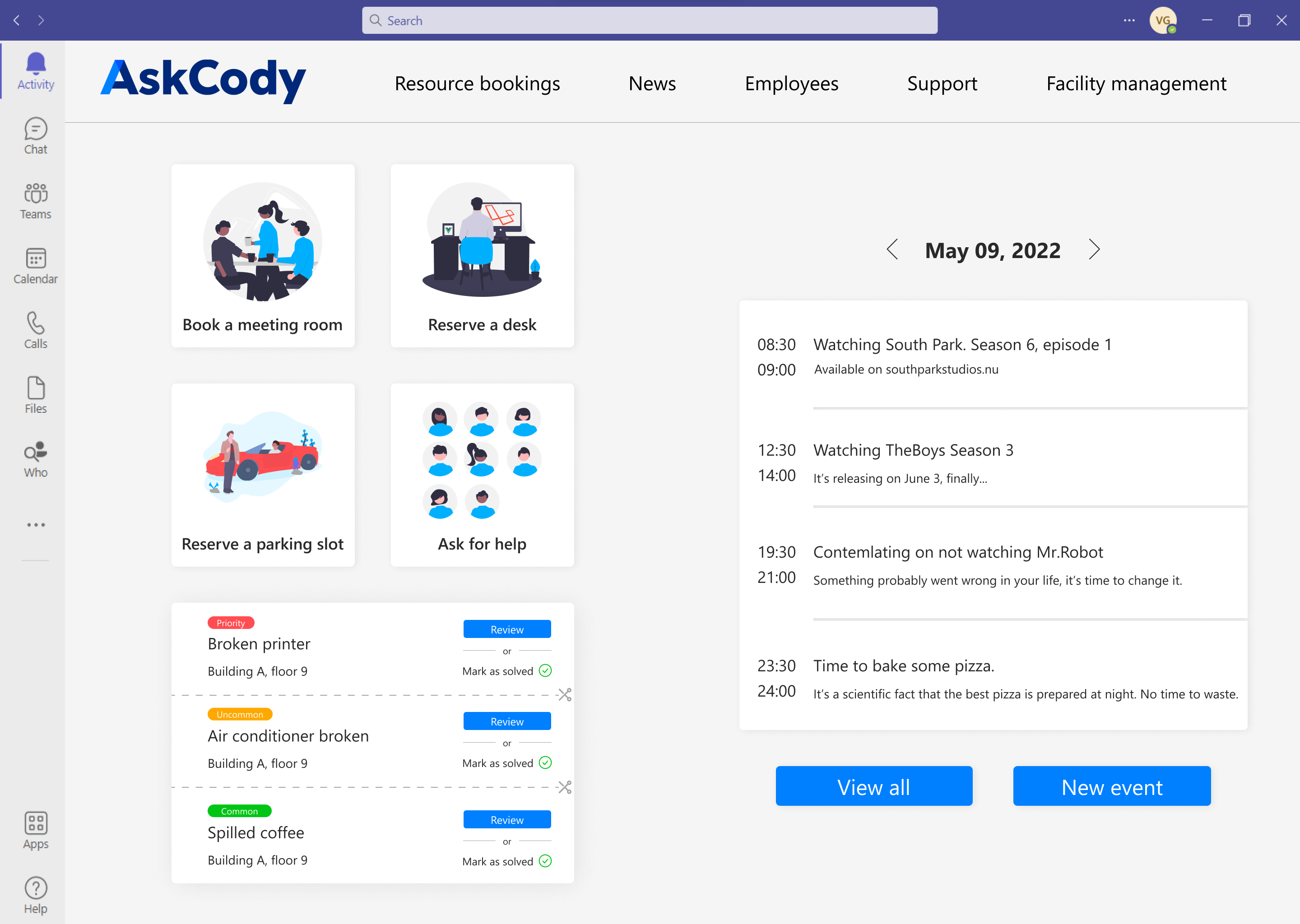
The dashboard included a calendar overview for upcoming events and a support-ticket widget for project managers.
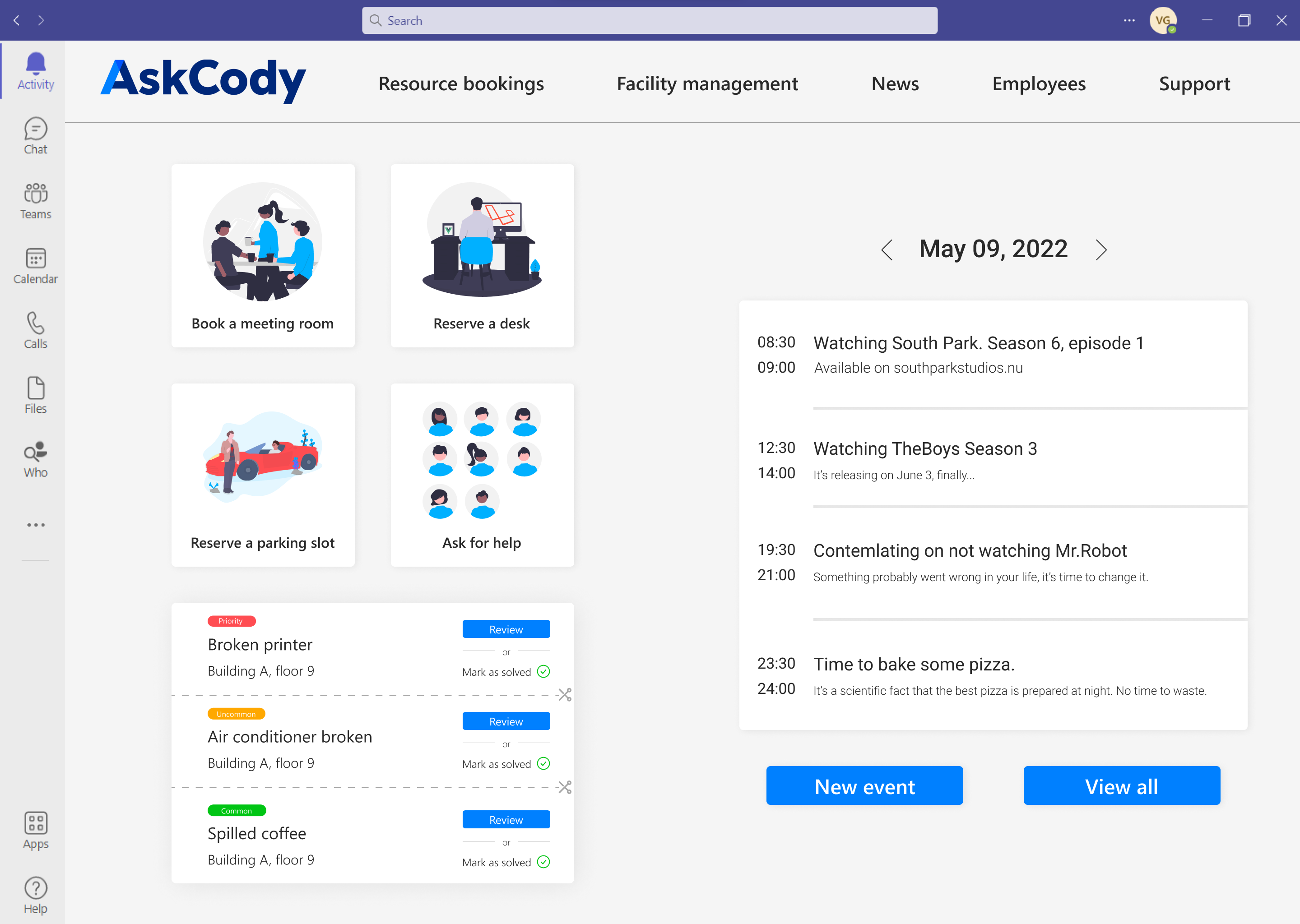
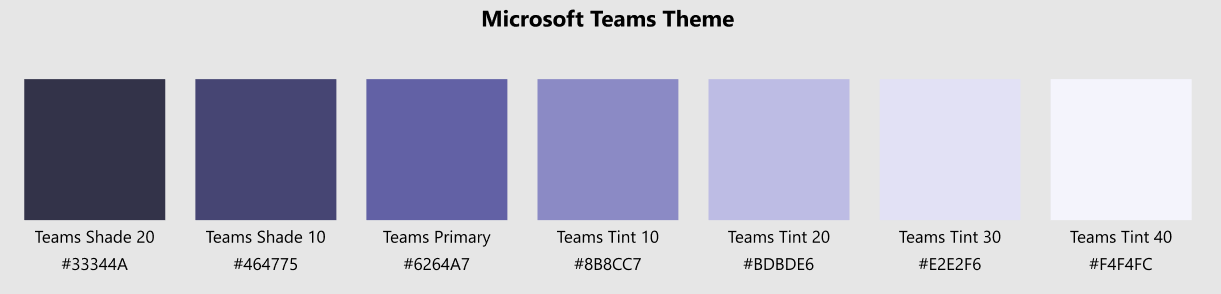
The color system needed to feel compatible with Microsoft Teams while keeping AskCody recognizable.
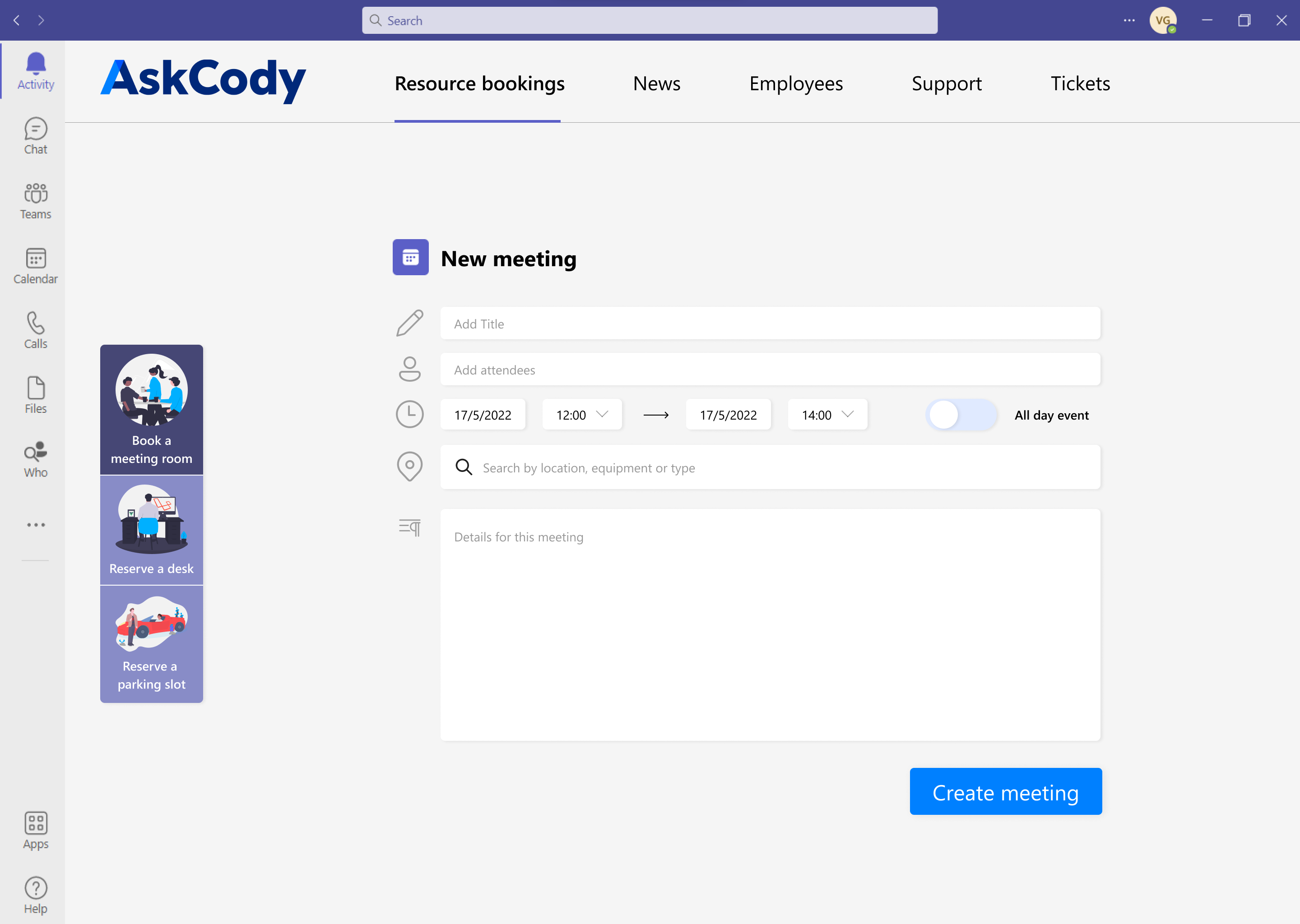
The final iterations combined the design system, custom assets, and the main interactive states.
We defined how the key interactions should behave and incorporated additional feedback.
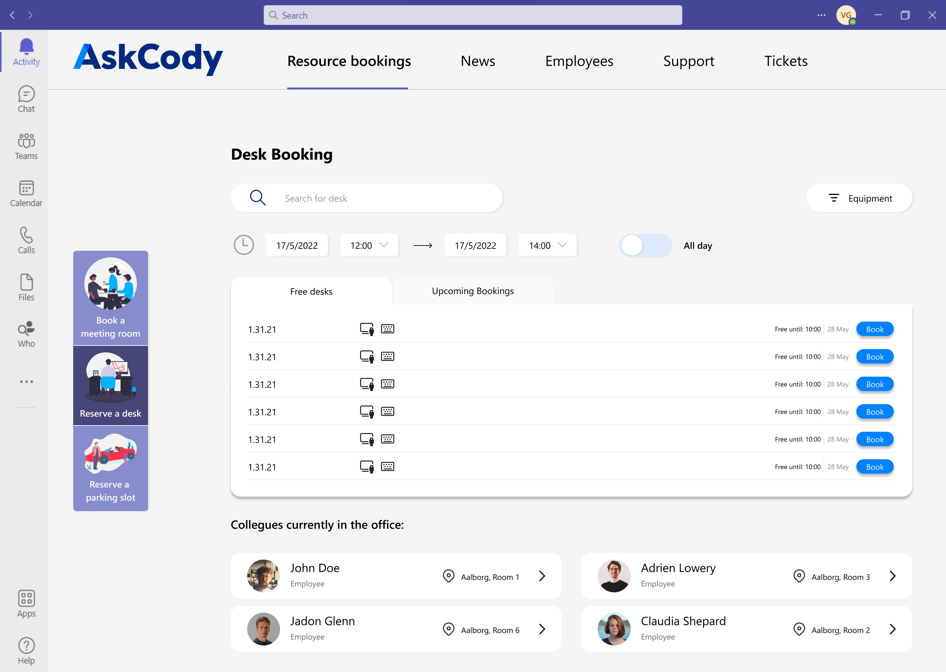
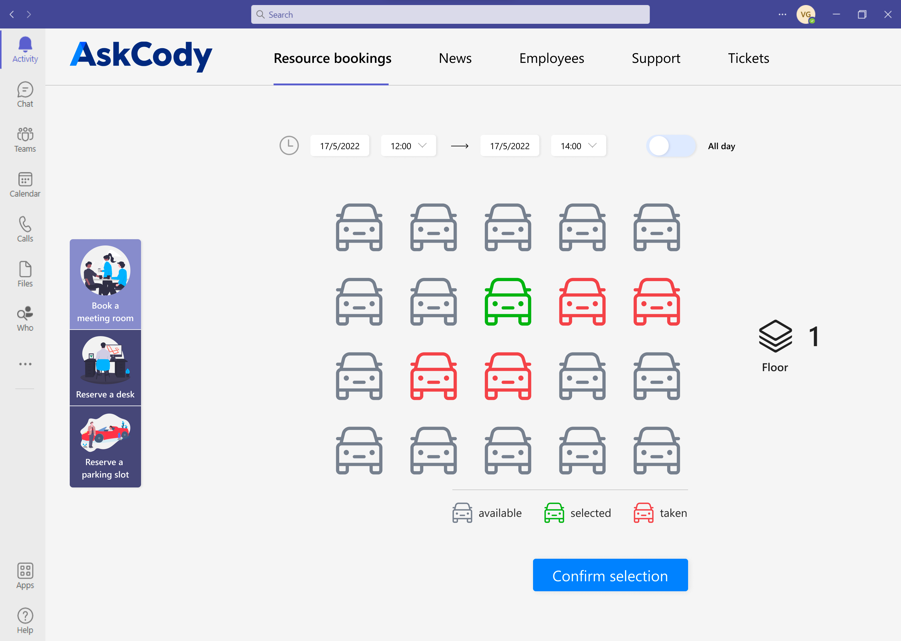
To support quick bookings on the move, we explored both mobile and watch companion experiences.
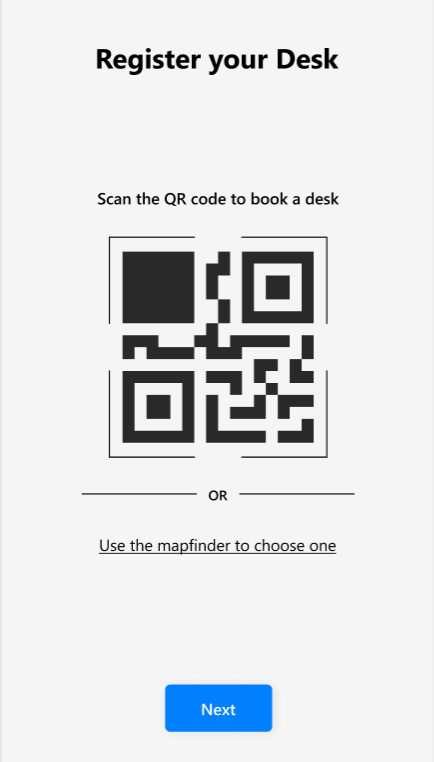
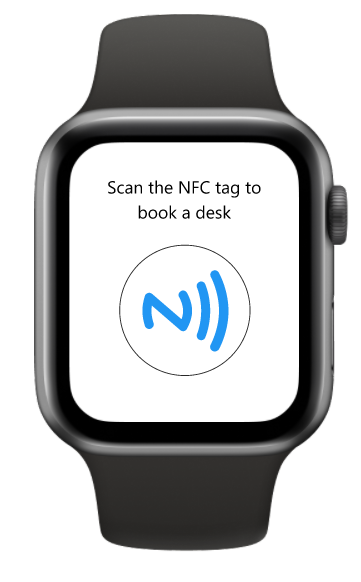
The final concept extends AskCody's ecosystem with a centralized resource-management experience inside Microsoft Teams.
It gives employees and managers a clearer overview of desks, rooms, events, and support needs in a hybrid workplace.
Portfolio-aware research, risk, and goal intelligence
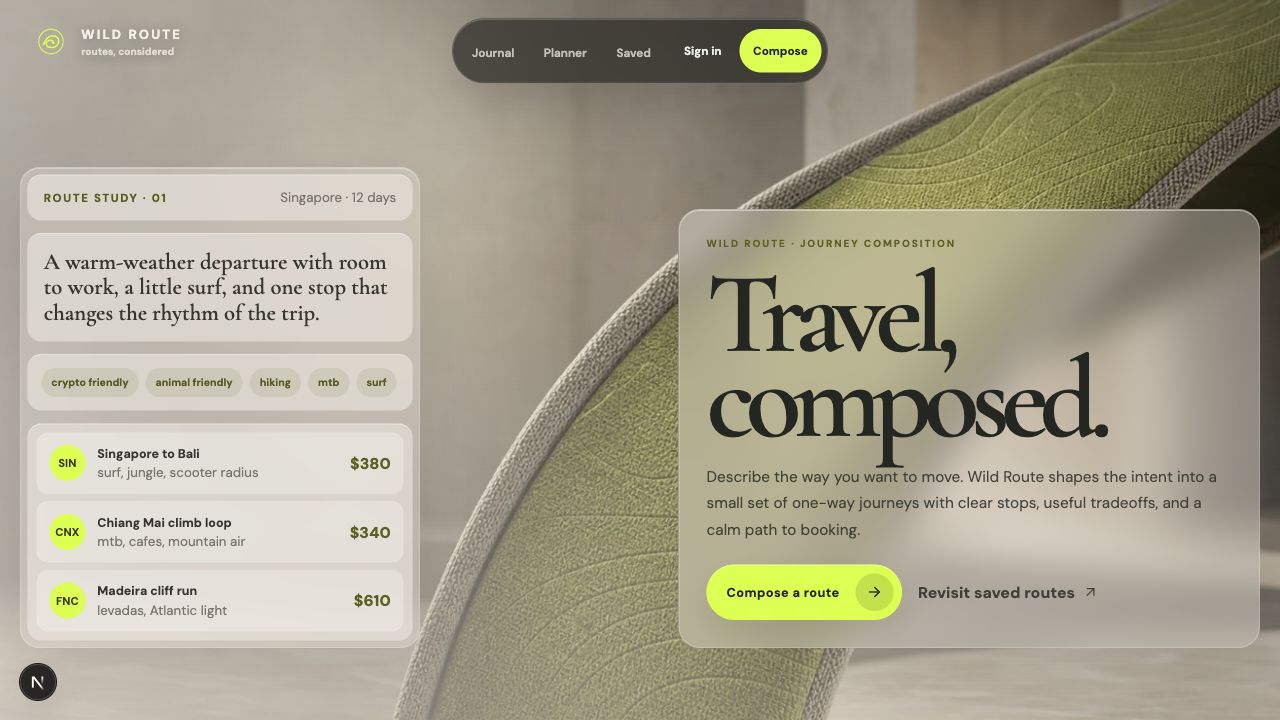
Prompt-first route planning for adventure travelers
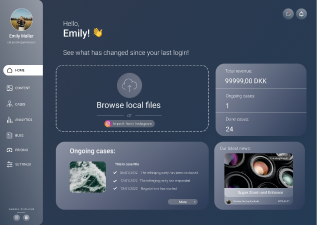
Copyright protection SaaS
Student agency and information platform